Commercial sanitation pest management differs fundamentally from standard residential pest control. While standard extermination relies on reactive chemical sprays to suppress visible insects, sanitation-based pest…
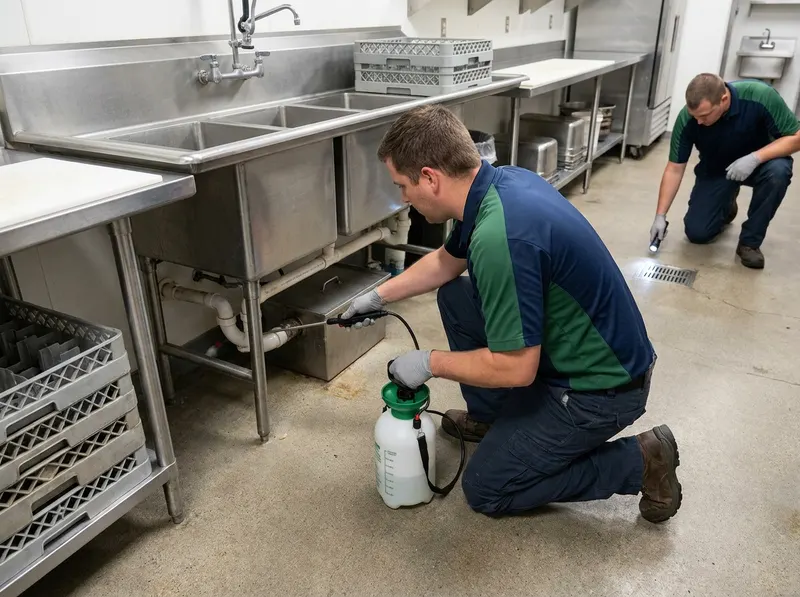
Commercial sanitation pest management differs fundamentally from standard residential pest control. While standard extermination relies on reactive chemical sprays to suppress visible insects, sanitation-based pest management implements clinical Integrated Pest Management (IPM) protocols. The process addresses microbial food soils, structural voids, moisture accumulation, and exterior thermal plumes that lure agricultural rodents indoors during harsh South Dakota freeze cycles. In food distribution, medical, and hospitality facilities, chemical broadcast spraying presents unacceptable contamination risks. Sanitation management resolves pest pressure at the operational source by eliminating the organic harbourage, broken floor joints, and unsealed dock plates that allow vector ingress.
Facilities near high-traffic logistics corridors such as the Highway 12 commercial belt, food preparation zones in the Northern State University Area, and light-industrial facilities near Moccasin Creek face distinct structural pressures. High-moisture environments generate organic biofilms in floor drains, providing an unmonitored breeding matrix for phorid flies and German cockroaches. A diagnostic protocol pairs mechanical sealing, installing industrial sweeps on loading docks and mortar repairs on expansion joints, with bio-enzymatic foam applications that digest the waste layers traditional floor mopping misses. Properties in the Lincoln Park District and North Highland operating commercial kitchens require these layered mechanical controls to maintain zero-tolerance interior thresholds without exposing stored dry goods to volatile chemicals.
Winter conditions in Brown County force field mice and Norway rats against foundation perimeters once regional soil freezes. Unsealed conduit penetrations or overhead door seals worn down by just a quarter of an inch permit rapid infiltration. Structural management involves installing tamper-resistant mechanical bait stations along exterior grade lines, setting sub-floor multi-catch units in processing zones, and providing facility managers with audit-ready logbooks detailing catch trends, bait consumption, and corrective structural needs. Documenting sanitation compliance protects facility operations from state public health shut-downs, third-party audit failures, and inventory loss.
Every job gets a firm, written price after a free on-site visit.
Tell us about your commercial sanitation pest management job in Aberdeen and we'll send a clear, written quote, usually the same day.
 Kelvoro Pest Management