Thermal bed bug remediation delivers structural convection airflow that elevates interior ambient room temperatures to lethal levels between 120°F and 135°F. Sustained exposure at 122°F coagulates cellular proteins…
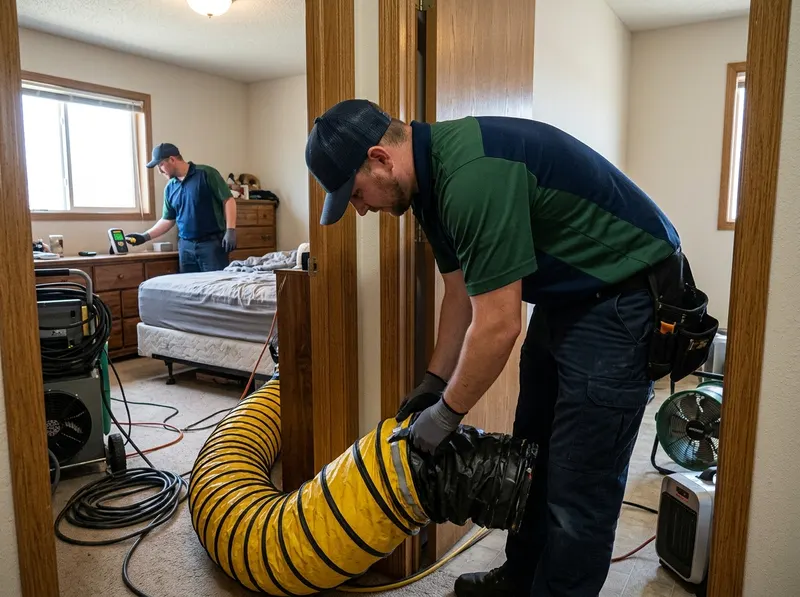
Thermal bed bug remediation delivers structural convection airflow that elevates interior ambient room temperatures to lethal levels between 120°F and 135°F. Sustained exposure at 122°F coagulates cellular proteins across all bed bug life cycles, neutralizing viable eggs, nymphs, and adults within 90 minutes of thermal equilibrium. Residual barrier chemistry, placed specifically along tack strips, baseboard seams, and interior wall voids, protects the structure against surviving perimeter stragglers that migrate into unheated dead-air spaces. This dual approach addresses the biological limitation of standalone pesticide sprays, which fail to kill insulated eggs or overcome modern pyrethroid-resistant insect strains.
Residential layouts throughout Aberdeen encounter distinct micro-climate conditions that alter treatment mechanics. Multi-family buildings and rental units in the Northern State University Area and Lincoln Park District require precise perimeter thermal air barriers to keep migrating nymphs from escaping into adjacent interior hallways. Single-family ranch properties across North Highland, Rolling Hills, and the Melgaard Park Area feature wide subfloors and exterior wall exposures that demand extended high-output airflow to penetrate deep mattress seams, insulated exterior walls, and crawlspace thresholds. In riverside corridors near Moccasin Creek or open acreages in Prairiewood and the Storybook Land Area, winter freeze-thaw cycles drive indoor relative humidity down, requiring calibrated air movement to sustain kill temperatures without damaging finished cabinetry or synthetic window framing.
Selecting between full-structure thermal baking and isolated crack-and-crevice residual liquid applications depends on unit density and structural clutter. A standalone chemical spray costs less up front but requires 2 to 3 repeat visits spaced 14 days apart to target freshly hatched nymphs. Thermal heating resolves active infestations in a single day, though the trade-off requires substantial owner preparation: vacating the property for 8 to 10 hours, removing pressurized canisters, candles, oil paintings, and sensitive electronics, and maintaining clear pathways for high-volume commercial ducting.
Every job gets a firm, written price after a free on-site visit.
Tell us about your bed bug heat and residual remediation job in Aberdeen and we'll send a clear, written quote, usually the same day.
 Kelvoro Pest Management